Blog
Office Lounge Sofa Guide: How to Choose the Right Seating for Your Workspace


An office lounge should feel comfortable without losing the organised and professional character of the workplace. The right office lounge sofa helps create that balance by giving employees, clients and visitors a dedicated place to sit, talk or wait.
However, choosing office lounge seating is not simply a matter of finding an attractive sofa. The size of the room, number of users, furniture layout, upholstery, maintenance and surrounding office furniture all need to work together.
For example, a compact private office may only need a two-seater. In contrast, a large corporate lounge or reception area may require several coordinated seating pieces.
Therefore, before choosing an office lounge sofa, consider how the space will actually be used.
Corporate Luxe Furniture currently offers couches for offices, executive lounges, reception areas and other commercial interiors, including compact two-seaters and larger sofa configurations.
What Is an Office Lounge Sofa?
An office lounge sofa is seating designed for informal or semi-formal areas within a workplace.
Unlike a desk chair, which supports individual work, lounge seating is generally used for shorter conversations, waiting, informal meetings or relaxation.
You may place one in:
- Corporate lounges
- Executive offices
- Reception areas
- Waiting rooms
- Visitor zones
- Informal meeting areas
- Client discussion spaces
- Breakout areas
Therefore, office lounge furniture should support both comfort and the overall workplace layout.
A well-planned lounge does not need excessive furniture. Instead, the goal is to provide enough seating while keeping the area easy to move through.
Why Office Lounge Seating Matters
The lounge is often one of the spaces where employees and visitors experience the workplace away from individual desks.
For visitors, it may be part of the first impression of the company. Meanwhile, employees may use the same area for informal discussions or short breaks.
As a result, the seating should look organised while remaining practical.
A suitable office lounge sofa can help define the seating area and make an otherwise empty office corner more functional.
Moreover, it can visually connect nearby furniture such as a centre table, individual chairs and storage units.
Start With the Purpose of the Lounge
Before choosing the sofa, decide what the lounge is supposed to do.
A client waiting area has different requirements from an employee breakout space.
For example, a waiting area may need straightforward seating that allows several visitors to sit comfortably for short periods.
An executive lounge, however, may require a more formal arrangement for discussions with clients or colleagues.
Meanwhile, an employee lounge may need a more relaxed layout.
Therefore, the purpose of the space should determine the furniture—not the other way around.
Office Lounge Sofa for a Small Workspace
Limited floor space does not mean you need to avoid lounge seating.
Instead, choose furniture with a smaller footprint.
A two-seater office lounge sofa can provide useful seating for two people without occupying the space required by a complete sofa set.
Positioning also matters.
For instance, placing the couch against a wall can preserve the centre of the room. Alternatively, it can sit beside a compact centre table to create a simple visitor area.
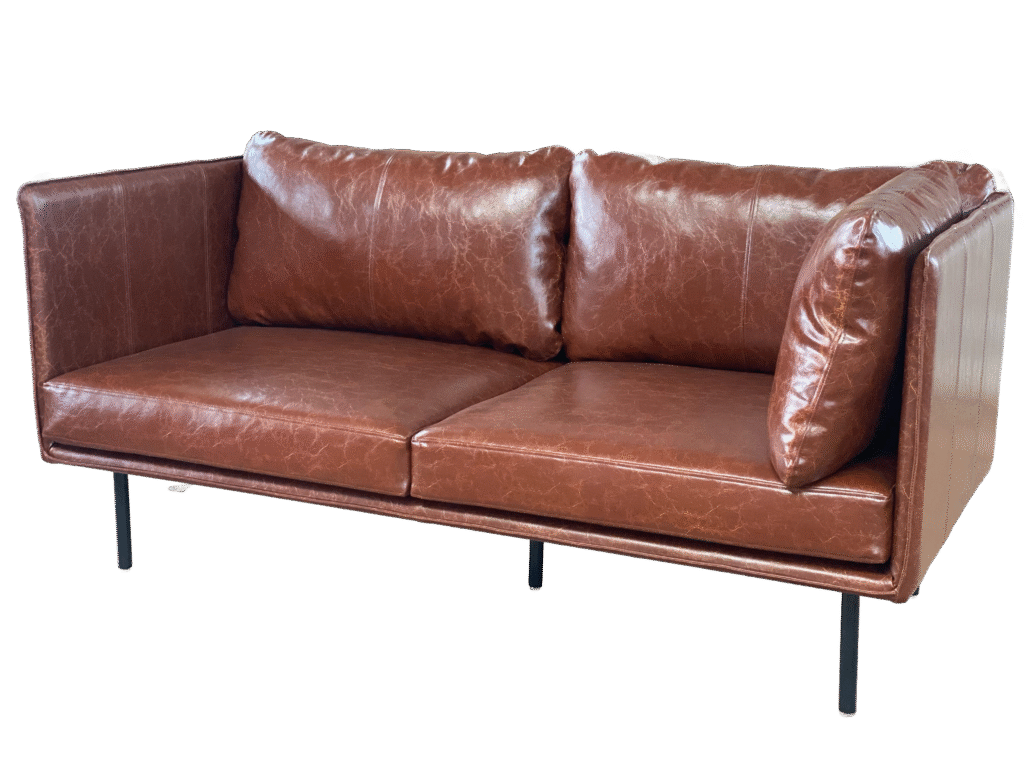
Corporate Luxe’s Oxford Sleek 2 Seater is designed as a compact two-person couch and is currently positioned for offices, lounges, reception areas and waiting spaces.
Explore: Oxford Sleek 2 Seater Couch
Office Lounge Sofa for a Larger Corporate Space
A larger lounge gives you more flexibility.
However, more space does not automatically mean you should fill the room with more furniture.
Instead, create a structured seating zone.
For example, you might combine:
- One three-seater sofa
- One two-seater
- One or two individual chairs
- A centre table
This type of arrangement can support several people without making the space feel crowded.
For larger interiors, Corporate Luxe also carries 3+2+1 configurations designed for office, lounge, reception and executive environments.
2 Seater Sofa for an Office Lounge
A two-seater is one of the most flexible options for smaller offices.
It provides enough seating for a visitor and colleague while taking up less space than a larger couch.
Moreover, a compact sofa can fit into places such as:
- Executive cabins
- Director offices
- Small reception areas
- Consultation rooms
- Private meeting spaces
A two-seater can also work alongside individual chairs when additional seating is required.
Therefore, smaller offices do not always need a complete matching sofa set.
Corporate Luxe currently offers an Oxford Sleek 2 Seater Fabric Sofa specifically described for living rooms, offices, lounges and reception areas.
Explore: Oxford Sleek 2 Seater Fabric Sofa
When a 3 Seater Makes More Sense
A three-seater is useful when you expect more visitors or have a wider lounge area.
For example, it can serve as the main office sofa in a client lounge while individual chairs provide additional seating.
However, measure carefully before choosing one.
A larger sofa should not block:
- Doorways
- Walkways
- Cabinet access
- Meeting tables
- Reception counters
- Main circulation paths
Therefore, the goal should be comfortable seating without sacrificing movement.
Office Lounge Sofa for an Executive Room
Executive offices often need visitor seating in addition to the main desk and chair.
A sofa can create a separate discussion area where meetings feel less formal than sitting directly across the desk.
However, the furniture should not dominate the room.
In a smaller executive office, a compact two-seater may be enough. Meanwhile, a larger room may support a three-seater combined with individual seating.
For offices with a more classic interior, Corporate Luxe’s Royal Chesterfield is a three-seater with deep button tufting, rolled arms and a green finish. The company positions it for executive offices, corporate lounges and reception areas.
Explore: Royal Chesterfield Sofa
Office Lounge Sofa vs Reception Sofa
An office lounge and reception area can look similar, but they often serve different purposes.
A reception sofa usually supports people who are waiting to meet someone. Therefore, easy access and efficient seating capacity become particularly important.
An office lounge sofa, on the other hand, may support longer conversations, informal meetings or employee use.
However, the two functions can overlap.
In smaller offices, the reception area may also serve as the main visitor lounge. In that situation, choose a sofa that works for both waiting and discussion.
Choosing a Waiting Room Sofa
A waiting room sofa should work with the expected number of visitors.
If one or two people usually wait at a time, a two-seater may be sufficient.
However, businesses with greater visitor traffic may need several seating units.
Instead of placing one very large couch in the room, consider combining smaller pieces.
This can make the layout easier to adapt while also keeping entry and exit routes clear.
Moreover, separate seating can be useful when different visitors prefer more personal space.
Office Lounge Furniture Should Work as a Complete Layout
The sofa is important, but it should not be selected independently from the rest of the room.
Consider how it will work with:
- Centre table
- Individual chairs
- Side tables
- Reception desk
- Storage
- Lighting
- Rugs
- Decorative elements
For example, a large centre table placed too close to the sofa can make sitting down uncomfortable.
Meanwhile, a table that is too small may look disconnected from the seating arrangement.
Therefore, plan the entire office lounge furniture layout before purchasing individual pieces.
How Much Space Should You Leave Around the Sofa?
An office should remain easy to navigate.
Therefore, avoid placing the sofa directly in important circulation paths.
Keep comfortable access between the seating and nearby furniture.
Additionally, check whether people can easily enter and leave the lounge without moving around tables, plants or chairs.
One useful approach is to mark the planned furniture dimensions on the floor before purchasing.
This gives you a realistic idea of how much room will remain.
As a result, you can avoid buying furniture that technically fits but makes the lounge difficult to use.
Choose the Right Upholstery
The upholstery affects both appearance and everyday maintenance.
For a frequently used office lounge, consider how easy the surface will be to maintain.
Fabric can create a softer and more relaxed appearance. Meanwhile, other upholstery types may provide a more structured visual effect.
However, material should not be selected solely by appearance.
Consider:
- Expected visitor volume
- Cleaning routine
- Air conditioning
- Direct sunlight
- Colour
- Texture
- Frequency of use
If you are comparing textile options, your existing Sofa Fabric Material Guide can be internally linked here using the anchor sofa fabric material.
That gives readers additional information without making this article compete for the same keyword.
Fabric Sofa for an Office Lounge
A fabric sofa can work particularly well when you want the lounge to feel less formal.
The texture can soften an interior dominated by desks, cabinets and hard surfaces.
Moreover, neutral fabric upholstery can work with many corporate colour schemes.
Corporate Luxe’s Oxford Sleek 2 Seater Fabric Sofa is specifically positioned for offices, lounges, reception areas and modern interiors, making it a relevant example of this type of compact commercial seating.
However, always consider the actual care requirements before choosing upholstery for a frequently used commercial area.
Choose Colours That Fit the Workplace
Colour affects how professional, relaxed or visually strong the lounge feels.
Neutral tones are often easy to integrate with existing office furniture.
For example, grey, beige, brown and other restrained shades can coordinate naturally with desks, tables and flooring.
However, stronger colours can also work.
A darker green or another distinctive tone may suit an executive lounge where the sofa is intended to become a visual feature.
The important point is balance.
If the sofa has a strong colour or detailed design, surrounding furniture can remain simpler.
Modern or Classic Office Lounge Sofa?
Both can work.
A modern sofa usually has cleaner lines and a simpler silhouette. Therefore, it can integrate naturally with contemporary desks, glass partitions and minimalist office layouts.
A classic sofa may use more visible detailing and become a stronger feature within the room.
For example, Corporate Luxe’s Oxford Sleek range uses streamlined contemporary forms, while its Royal Chesterfield uses traditional tufting and rolled arms.
Therefore, choose the style according to the existing interior rather than following a trend without considering the space.
Office Lounge Sofa for a Corporate Reception
A corporate reception needs to look organised from the moment someone enters.
Therefore, furniture placement should guide visitors naturally.
The office lounge sofa should not block the reception counter or entrance.
Instead, place seating where visitors can immediately understand where they should wait.
A simple arrangement might include one sofa facing or sitting beside a centre table.
For larger reception areas, multiple sofas or chairs can create separate seating zones.
Corporate Luxe’s main sofa category currently positions its couches for offices, executive rooms, waiting areas and corporate lounges, with compact two-seater and larger options available.
Explore: Corporate Luxe Sofa Collection
Office Lounge Seating for Client Meetings
Not every client conversation needs to happen across a formal desk.
A lounge area can support shorter discussions, introductions or informal meetings.
For example, two people may sit on a compact couch while another chair sits opposite.
Alternatively, a larger sofa can face individual chairs across a centre table.
This creates a conversation-friendly arrangement without requiring a dedicated conference room.
However, the layout should still support personal space and comfortable movement.
Commercial Sofa for Hotels, Hospitals and Restaurants
Commercial seating requirements extend beyond traditional offices.
Hotels may need sofas for lobby and lounge areas. Hospitals may use seating in reception or waiting spaces. Restaurants and other commercial interiors may also require seating in entrance or waiting areas.
Corporate Luxe states that it works with hotel, hospital, restaurant and other commercial projects.
Therefore, when choosing a commercial sofa, consider the environment separately rather than applying residential furniture criteria automatically.
Traffic level, cleaning requirements, available floor space and the type of visitors can all influence the final choice.
How to Arrange a Centre Table with an Office Sofa
A centre table helps organise the lounge visually.
It can also provide space for documents, refreshments or decorative items.
However, the table should be proportionate to the sofa.
For a two-seater, a compact table may be sufficient.
Meanwhile, a larger lounge arrangement may require a wider table or multiple smaller surfaces.
Most importantly, leave enough room between the sofa and table for comfortable movement.
Should You Add Individual Chairs?
Yes, especially if the lounge needs flexible seating.
Individual chairs can be repositioned more easily than another full sofa.
For example, one two-seater plus two individual chairs can provide four seats while giving you more flexibility than two large couches.
This layout can work well in:
- Executive offices
- Client lounges
- Waiting areas
- Reception spaces
Moreover, individual seating can help create a more natural conversational arrangement.
How to Choose an Office Lounge Sofa for Limited Space
When space is limited, prioritise dimensions over appearance.
First, measure the available area.
Then check the sofa width and depth.
After that, account for the centre table and walking space.
Finally, consider delivery access, including doors, lifts and corridors.
A compact couch with a clean silhouette may be more useful than a larger sofa with extra visual detail.
Therefore, select the furniture that makes the room easier to use rather than simply choosing the largest option that fits.
How to Design a Comfortable Office Lounge
Comfort does not require excessive furniture.
Instead, focus on a few elements that work together.
Start with suitable seating. Then add a proportionate table and appropriate lighting.
If the space needs a softer visual feel, consider a rug or subtle decorative element.
However, keep enough open floor area.
An office lounge should feel welcoming, but it should still look intentional and organised.
Consider Daily Traffic Before Buying
A sofa used by two or three visitors per week has different requirements from one used continuously throughout the day.
Therefore, estimate how heavily the seating will be used.
For a busy reception or commercial lounge, maintenance and construction become particularly important.
Meanwhile, in an executive office, visual style may carry more weight because the sofa may receive lighter use.
As a result, the same sofa is not automatically suitable for every business environment.
Avoid These Office Lounge Furniture Mistakes
One common mistake is buying a sofa before measuring the room.
Another is selecting too many seating pieces simply because the space appears empty.
Additionally, buyers sometimes ignore how the sofa interacts with the reception desk, doors or walking routes.
Colour can also become a problem when it is selected without considering existing furniture.
Finally, choosing a sofa only from photographs can make it difficult to understand its actual scale.
Therefore, check dimensions, configuration and placement before making the final decision.
Match the Sofa with Your Office Interior
A coordinated lounge does not mean every piece needs to look identical.
Instead, furniture should share enough visual characteristics to feel connected.
For instance, a contemporary sofa can work with a simple corporate table and structured office chairs.
Similarly, a classic couch can work with more traditional wood furniture.
The objective is visual balance.
Therefore, use the sofa as part of the broader office design rather than treating it as an isolated piece.
Office Lounge Sofa for Different Business Types
Different businesses may need different lounge environments.
A law firm or executive office may prefer structured and formal seating.
A technology company may choose a more relaxed contemporary layout.
Meanwhile, a hotel or hospitality business may focus heavily on visitor comfort and visual impact.
A clinic may prioritise simple layouts and ease of movement.
Therefore, the business type should influence the final office lounge sofa selection.
When Should You Choose a Complete Sofa Set?
A complete sofa configuration becomes useful when you have both enough space and enough regular users.
For example, larger corporate lounges may benefit from a 3+2+1 arrangement.
This provides separate seating pieces while maintaining a coordinated appearance.
Corporate Luxe currently offers Oxford Sleek 3+2+1 configurations for larger living rooms, offices, lounges, reception areas and executive spaces.
However, do not choose a complete set simply because it looks coordinated.
If your room is small, individual pieces may create a better layout.
When Is a Two-Seater the Better Choice?
A two-seater is often the more practical choice when:
- The office is compact
- Visitor numbers are low
- The sofa is inside an executive cabin
- You already have individual chairs
- You need to preserve open floor space
- The lounge is secondary to the main workspace
Therefore, smaller seating does not necessarily mean a less complete lounge.
With the right table and layout, a compact couch can create a well-defined visitor area.
How to Choose Between Fabric and Other Upholstery
Begin with maintenance.
Next, consider appearance and comfort.
Then, look at how frequently the sofa will be used.
Fabric can bring more visible textile texture to the room, while other surfaces may create a different visual character.
However, the specific product construction matters more than a broad material label.
Therefore, check actual specifications and care guidance before purchasing.
Should an Office Lounge Look Formal?
Not necessarily.
The correct atmosphere depends on the company.
An executive firm may want a more structured lounge, while a creative workplace may prefer softer furniture and a relaxed arrangement.
However, even informal lounges should remain organised.
Therefore, avoid filling the space with unrelated furniture simply to make it look casual.
A small number of coordinated pieces usually creates a cleaner result.
Create a Better First Impression Without Overdesigning
A good reception or office lounge does not need excessive décor.
Often, a well-proportioned sofa, suitable centre table and thoughtful lighting are enough.
Moreover, leaving some empty space can make the room feel larger and easier to navigate.
The office lounge sofa should support the environment rather than compete with every other element.
As a result, a simple and well-planned arrangement can often look more professional than a crowded one.
Explore Office Lounge Sofa Options at Corporate Luxe Furniture
Corporate Luxe Furniture offers sofas and couches for residential and commercial interiors in Bangladesh, including offices, reception areas, waiting spaces and executive lounges.
For compact areas, the Oxford Sleek 2 Seater provides two-person seating in a streamlined format. Meanwhile, the Oxford Sleek Fabric 2 Seater offers another compact option for offices and lounges.
For a more traditional executive interior, the Royal Chesterfield provides a three-seat design with classic detailing. Larger Oxford configurations are also available where additional seating is required.
Therefore, start with the room rather than the product. First, determine how many people need seating. Next, measure the space and plan the circulation area. Then, compare sofa size, material and design. Finally, choose an office lounge sofa that fits naturally with the surrounding office furniture.
Frequently Asked Questions About Office Lounge Sofa
What is an office lounge sofa?
An office lounge sofa is seating used in informal meeting spaces, corporate lounges, executive offices, reception areas or visitor zones. It provides comfortable seating away from individual work desks.
What size sofa is best for a small office lounge?
A compact two-seater often works well because it provides useful seating without occupying excessive floor space. However, always measure the room before choosing a specific model.
Can I use an office lounge sofa in a reception area?
Yes. The same sofa can work as a reception sofa when its dimensions, style and seating capacity suit the entrance area.
What is the difference between a reception sofa and an office lounge sofa?
Reception seating is primarily designed for visitors who are waiting, while lounge seating may also support informal meetings or employee use. However, one area can serve both purposes in smaller offices.
Is a two-seater enough for an executive office?
Often, yes. A two-seater can provide comfortable visitor seating while preserving space for the executive desk, office chair and storage.
What type of sofa works for a waiting room?
Choose according to visitor numbers, available floor space, maintenance requirements and the amount of daily use. Smaller seating units can provide more flexibility than one oversized couch.
Is a fabric sofa suitable for an office lounge?
Yes. Fabric sofas can work well in offices, reception areas and lounges. However, upholstery should be chosen according to maintenance needs and expected usage.
Can I combine an office sofa with individual chairs?
Yes. In fact, combining a sofa with individual seating can create a flexible conversational layout.
Do I need a centre table with an office lounge sofa?
Not always, but a centre table can help define the seating area and provide a useful surface. Choose a size proportionate to the sofa.
How should I arrange office lounge furniture?
Begin with the main seating, maintain clear walking routes, and then add chairs or tables according to available space. Avoid overcrowding the lounge.
Which colour is suitable for an office lounge sofa?
Neutral colours are easy to coordinate, while stronger colours can create a focal point. The best choice depends on the company’s interior and existing furniture.
Can a large sofa set work in an office?
Yes, provided there is enough space and seating demand. Larger lounge or reception areas may accommodate coordinated sofa sets, while small offices generally benefit from compact pieces.
Where can I compare sofa options for an office lounge?
You can browse the Corporate Luxe Sofa Collection to compare different couch sizes and configurations for residential and commercial interiors.