Blog
Sofa Fabric Material Guide: How to Choose the Right Fabric for Your Sofa

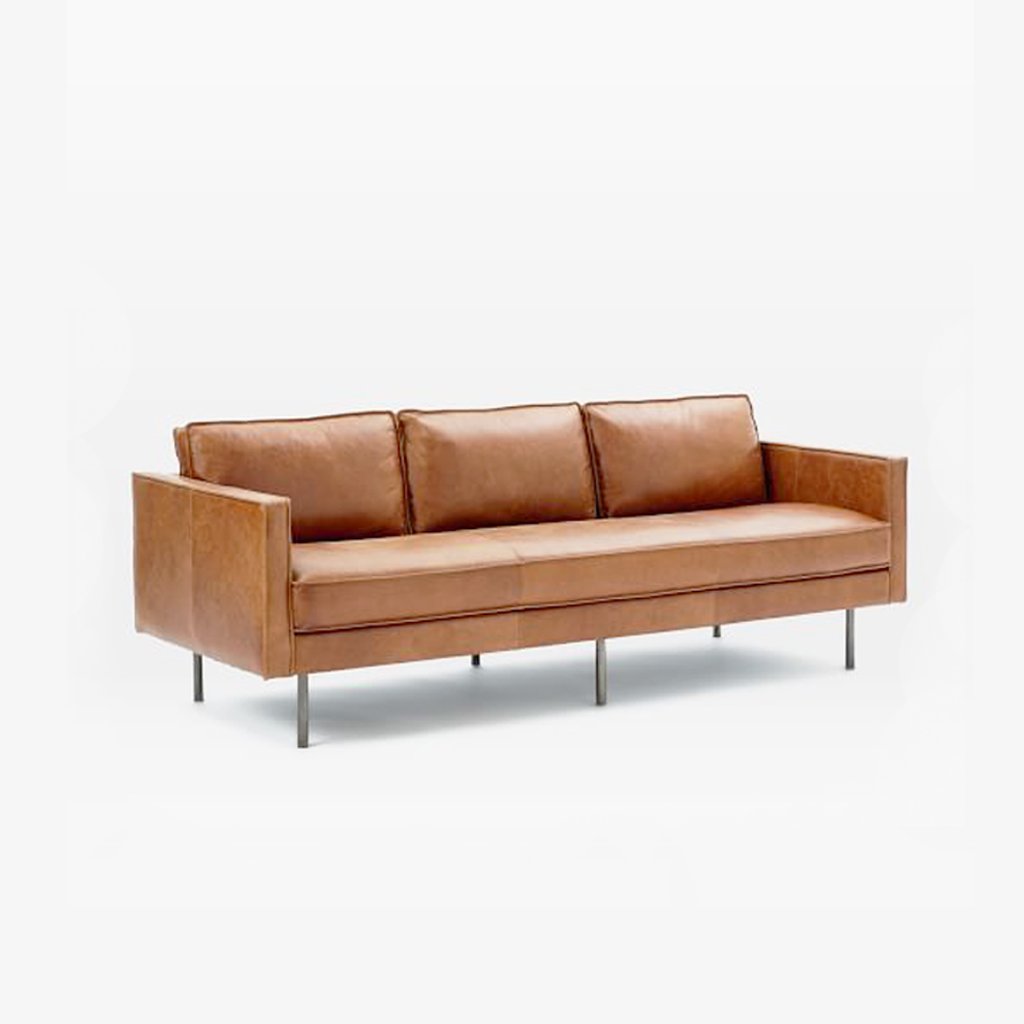
Choosing a sofa is not only about size, colour or shape. The sofa fabric material can also affect comfort, appearance, maintenance and how well the furniture fits your everyday lifestyle.
For example, a sofa used every day in a family living room may need a different type of upholstery from one placed in an executive office or formal reception area. Similarly, a home with children or pets may require different maintenance considerations from a quiet guest room.
Therefore, understanding sofa fabric material before buying can help you make a more practical decision.
Corporate Luxe Furniture offers different seating options for homes, offices, lounges and reception areas through its Sofa collection. The site also currently lists an Oxford Sleek 2 Seater Fabric Sofa designed for residential and professional interiors.
This guide explains common sofa fabrics, what to consider before choosing one and how to match the right material with your room, lifestyle and furniture use.
Why Does Sofa Fabric Material Matter?
A sofa can remain in the same room for years. Therefore, choosing the upholstery only by colour can lead to problems later.
The sofa fabric material influences several parts of the ownership experience. It affects how the surface feels, how often cleaning may be required and how the sofa works with the rest of the interior.
Moreover, different materials create different visual effects. A smooth fabric can give a sofa a cleaner appearance, while a highly textured sofa textile may make the furniture more noticeable within the room.
The right material should therefore support both practical and visual requirements.
What Should You Check Before Choosing Sofa Fabric?
Before comparing individual materials, consider how the sofa will actually be used.
A living-room sofa may receive several hours of use every day. In contrast, furniture in a formal guest area may only be used occasionally.
Likewise, an office reception sofa may need to accommodate many different visitors, while an executive-office sofa may have significantly lighter use.
Therefore, consider room type, number of users, cleaning requirements, sunlight, colour, texture and expected daily use before selecting your upholstery.
Sofa Fabric Material for Everyday Use
If a sofa will be used every day, practicality becomes especially important.
For instance, the sofa cloth material should feel comfortable while also matching your maintenance expectations. A beautiful fabric may become inconvenient if it requires more care than your household can realistically provide.
Moreover, everyday sofas often come into contact with food, drinks, dust and regular movement. Therefore, buyers should consider how easily the surface can be maintained.
For busy spaces, a practical fabric and a sensible colour can often be more useful than choosing only according to appearance.
Understanding Different Types of Sofa Fabric Material
There is no single sofa fabric material that is right for every room. Instead, each upholstery type has its own appearance, texture and care requirements.
The following comparison gives a general idea of some common options:
| Fabric Type | Appearance | Feel | Best Considered For |
|---|---|---|---|
| Linen | Natural and relaxed | Light and textured | Calm residential interiors |
| Velvet | Smooth and visually rich | Soft | Statement seating and formal rooms |
| Bouclé | Highly textured | Soft and tactile | Contemporary interiors |
| Polyester / Blends | Varies by weave | Varies | Everyday practical seating |
| Microfiber | Smooth and compact | Soft | Frequently used rooms |
| Woven Fabric | Textured | Depends on weave | Homes, offices and general seating |
However, fabric names alone do not determine quality. Construction, weave, fibre composition and manufacturing quality also matter.
Linen Sofa: A Light and Natural Look
A linen sofa can work well in interiors where you want a softer and more relaxed appearance.
Because linen has a naturally textured look, it can complement neutral interiors, light walls and simple décor. Moreover, the material often works visually with wood, rugs and natural-style accessories.
However, appearance should not be your only consideration. Depending on the specific upholstery construction, linen and linen-blend materials can have different maintenance requirements.
Therefore, always check the exact material specification rather than assuming every linen sofa will perform in the same way.
Velvet Sofa: Soft Texture and Strong Visual Impact
A velvet sofa can create a more noticeable focal point in a room.
Its smooth surface and distinctive texture can work particularly well in formal living rooms, executive interiors or spaces where the sofa is intended to become part of the décor.
For example, a deep blue velvet sofa can provide strong contrast against a neutral wall. Meanwhile, softer neutral velvet shades can create a calmer look.
However, velvet requires thoughtful care. Dust, pressure marks and surface changes may be more visible depending on the specific fabric.
Therefore, buyers should consider both appearance and maintenance before selecting velvet.
Bouclé Sofa: Texture for Contemporary Interiors
A bouclé sofa has become associated with soft, textured contemporary interiors.
The looped surface creates more visible texture than many smooth sofa fabrics. As a result, bouclé can make even a simply shaped sofa look distinctive.
However, the same texture that gives bouclé its character can require more attention during cleaning.
Therefore, it may suit buyers who prioritise texture and are comfortable following appropriate care instructions.
For homes with frequent spills or very heavy sofa use, consider the practical side before choosing purely for appearance.
Polyester and Blended Sofa Fabric
Polyester and blended fabrics are widely used because manufacturers can create different colours, textures and surface finishes with them.
Additionally, blended sofa cloth fabric can combine different fibre characteristics in one upholstery.
For example, a blend may be designed to balance texture, appearance and everyday practicality.
However, the word “polyester” or “blend” alone does not tell you how a sofa will feel or perform. Therefore, buyers should check the full upholstery specification and product construction.
Microfiber as Couch Material Fabric
Microfiber is another option commonly considered for everyday furniture.
Because the fibres are very fine, the surface can feel smooth and compact. Moreover, some microfiber upholstery is designed with practical everyday maintenance in mind.
For family rooms or frequently used seating, this may be worth considering.
Nevertheless, the specific construction still matters. Therefore, check the manufacturer’s care instructions before deciding whether microfiber suits your household.
Sofa Cloth Material vs Sofa Fabric Material: Is There a Difference?
In everyday searches, sofa cloth material and sofa fabric material usually refer to the upholstery covering used on a sofa.
Similarly, buyers may search for terms such as sofa cloth fabric, sofa textile or couch material fabric when researching upholstery.
Although the search terms differ, the buyer’s question is often the same: What material should I choose for my sofa?
Therefore, rather than focusing heavily on terminology, compare the actual fibre, weave, texture, maintenance and intended use.
What Is Sofa Textile?
The term sofa textile broadly refers to textile materials used as upholstery.
These materials can vary widely in fibre type, weave, thickness, texture and colour.
For example, one sofa textile may feel smooth and tightly woven, while another can have a much more noticeable surface texture.
Consequently, two fabric sofas can look and feel completely different even though both are technically textile-upholstered furniture.
This is why viewing the product specifications—and, when possible, the actual material—is useful before buying.
What Does Sofa Covering Mean?
Sofa covering is a broader term and can refer to the material covering the sofa surface.
However, people searching this term may be looking for different things. Some may want upholstery fabric, while others may be looking for removable sofa covers or replacement coverings.
Therefore, if you are buying a new sofa, focus specifically on the upholstery specification rather than assuming every result for “sofa covering” refers to permanent furniture fabric.
How to Choose Fabric for a Family Living Room
A family living room usually needs furniture that can handle regular use.
Therefore, the sofa fabric material should match how frequently the room is used.
If children regularly use the sofa, cleaning and maintenance may become more important. Meanwhile, a household that frequently entertains guests may prioritise both presentation and durability.
Colour also matters. Very light fabrics can create an open look; however, visible marks may also become more noticeable.
As a result, a medium or textured neutral tone can sometimes provide a useful balance between appearance and practicality.
Sofa Fabric Material for Small Living Rooms
In a small living room, the visual weight of the sofa matters almost as much as its physical dimensions.
For example, very dark or heavily textured upholstery can make some compact interiors feel visually heavier. In contrast, lighter and simpler fabrics may help the seating blend more naturally into the room.
However, this does not mean every small room needs a light sofa.
Instead, consider the complete interior, including walls, flooring, curtains, rugs and lighting.
Additionally, choose a sofa size that leaves enough walking space. Corporate Luxe’s sofa collection includes compact two-seater options for smaller spaces as well as larger seating arrangements.
Choosing Fabric for a Large Living Room
A larger room gives you more freedom with texture, colour and furniture scale.
For instance, a stronger sofa colour or textured upholstery can help define the main seating area.
Moreover, larger spaces can accommodate coordinated sofas, individual chairs and centre tables without feeling crowded.
However, balance still matters. A large room does not need to be filled with furniture in every corner.
Instead, use the sofa and its upholstery as part of a clear seating zone.
Sofa Fabric Material for an Office
Office seating has different priorities from most home furniture.
A sofa in an office may be used for visitor meetings, waiting or informal discussions. Therefore, the upholstery should complement the professional environment while remaining practical.
Neutral tones often work well because they coordinate easily with desks, cabinets and office chairs.
Moreover, a structured fabric sofa can soften an office interior that contains many hard surfaces.
Corporate Luxe currently lists the Oxford Sleek 2 Seater Fabric Sofa as suitable for living rooms, offices, lounges and reception areas.
This type of compact fabric sofa can be particularly useful when comfortable visitor seating is needed without taking up excessive floor space.
Fabric Sofa for an Executive Office
An executive office often needs a balance between professional appearance and comfort.
Therefore, fabric colour and texture should work naturally with the desk, chair, storage and lighting.
A heavily patterned fabric may compete visually with other furniture. On the other hand, a simple sofa fabric material can provide comfortable seating without dominating the room.
For smaller executive cabins, a 2-seater may be sufficient.
Meanwhile, a larger office can combine a compact sofa with individual seating to create a separate discussion area.
Sofa Fabric for Reception Areas
A reception sofa can be used by many different visitors. As a result, maintenance becomes especially important.
Before selecting sofa cloth material, consider how frequently the furniture will be used and how easily the upholstery can be maintained.
Moreover, think about the overall visual impression.
Reception seating is often one of the first furniture elements a visitor notices. Therefore, the colour and texture should support the business environment without making the entrance feel overcrowded.
A clean, simple upholstery design often works well because it coordinates with different surrounding furniture.
Fabric Sofa for Waiting Areas
Waiting areas usually benefit from practical furniture rather than overly complicated designs.
For example, compact seating can preserve walking space while still providing enough room for visitors.
Likewise, the couch material fabric should suit the expected level of daily use.
If the waiting area receives frequent visitors, consider a fabric that fits your cleaning routine. However, if the space is used only occasionally, visual style may carry more weight in the decision.
Therefore, match the material to actual usage rather than choosing the same upholstery for every commercial area.
Does Sofa Fabric Colour Matter?
Yes. Colour affects both appearance and maintenance.
For example, lighter colours can make a room feel softer and more open. However, marks may be easier to notice.
Darker colours can create stronger contrast. Nevertheless, dust or lint can also become more visible on certain dark fabrics.
Meanwhile, mid-tone neutrals often provide flexibility because they coordinate with a wider range of rugs, tables and wall colours.
Therefore, choose a colour that works with both your interior and your normal cleaning routine.
Texture Can Change the Entire Sofa
Two sofas with the same shape can look completely different when upholstered in different fabrics.
For example, velvet creates a smoother visual effect, while bouclé produces more texture.
Likewise, linen-style upholstery may give the furniture a more relaxed appearance.
Therefore, texture should be considered alongside colour.
If your room already includes patterned rugs, decorative walls or detailed furniture, a simpler sofa textile can help maintain visual balance.
On the other hand, a highly minimal room may benefit from a more textured couch material.
Consider Sunlight Before Choosing Sofa Fabric
Furniture placed beside large windows may receive significant natural light.
Therefore, consider how the upholstery is expected to respond to prolonged sun exposure.
Different dyes, fibres and finishes can behave differently over time. As a result, it is important to follow the manufacturer’s care guidance for the specific sofa.
Moreover, curtains or blinds can help control strong direct sunlight when needed.
This consideration is particularly important if the sofa will remain in the same location for a long period.
Think About Children and Pets
A household with children or pets may need to prioritise practical maintenance.
For example, food spills, pet hair and regular movement can affect how easily a sofa stays presentable.
Therefore, highly delicate sofa cloth fabric may not be the most convenient option for every household.
Texture should also be considered. Some heavily textured fabrics may collect more dust or hair, while smoother surfaces may be easier to maintain.
However, there is no universally perfect pet- or child-friendly material. Always compare the specific upholstery and its care recommendations.
How Sofa Fabric Works with a Centre Table and Rug
The sofa should not be styled in isolation.
Instead, consider the seating area as a complete arrangement.
A simple fabric sofa can work with a more decorative rug, while a strongly textured couch may look better with a calmer floor pattern.
Similarly, the centre table should match the visual weight of the sofa.
Corporate Luxe’s sofa collection recommends considering nearby tables, chairs, rugs and lighting when choosing seating for a balanced interior.
Therefore, coordinate materials instead of trying to make every piece exactly the same.
Should Sofa Fabric Match the Curtains?
Not necessarily.
Matching the sofa and curtains exactly can sometimes make the room feel too uniform.
Instead, choose colours and textures that complement each other.
For example, a neutral sofa can work with darker curtains for contrast. Meanwhile, a stronger sofa colour may look better with simpler window treatments.
Therefore, aim for coordination rather than exact matching.
How to Compare Sofa Fabric Samples
If fabric samples are available, compare them carefully before making a final decision.
First, look at the fabric under natural daylight. Then, check it under the lighting used inside your room.
Additionally, touch the material to understand its texture.
Finally, place the sample near your existing flooring, wall colour or furniture if possible.
This simple process can reveal differences that are difficult to see in product photographs.
Do Not Choose Sofa Fabric Only by Appearance
A visually attractive fabric can still be unsuitable for your lifestyle.
For example, a highly textured material may look excellent but require more maintenance than you prefer.
Similarly, a very light fabric may complement your interior but feel impractical in a heavily used family room.
Therefore, evaluate appearance, comfort and maintenance together.
The best sofa fabric material should support everyday use as well as interior design.
Common Mistakes When Choosing Sofa Fabric Material
One of the most common mistakes is choosing upholstery purely because of colour. However, colour tells you very little about maintenance or texture.
Another mistake is assuming that all fabrics within the same category perform identically. For example, two linen-style fabrics can have different fibre compositions and weaves.
Buyers also sometimes ignore room use. A material selected for a quiet guest room may not be appropriate for a busy reception area.
Therefore, avoid making a decision until you understand the actual product specification.
How to Care for Sofa Cloth Fabric
Proper care depends on the exact upholstery.
However, several basic habits can help keep fabric seating looking more presentable:
- Remove dust regularly, deal with spills promptly, follow the manufacturer’s cleaning instructions, avoid unsuitable chemicals, protect the upholstery from unnecessary sharp objects, and check care guidance before using any cleaning machine or liquid product.
Moreover, different fabrics may require different cleaning methods.
Therefore, do not assume that a method suitable for one sofa will be safe for another.
Is a Fabric Sofa Good for Home and Office Use?
Yes, provided the sofa itself suits the environment.
A fabric sofa can work in living rooms, executive offices, reception spaces and lounges.
However, the material should be chosen according to the expected use.
For example, a household may prioritise softness and colour. Meanwhile, an office may place greater importance on presentation and straightforward maintenance.
Corporate Luxe’s Oxford Sleek 2 Seater Fabric Sofa is currently positioned for both residential and commercial settings, including living rooms, offices, lounges and reception areas.
Oxford Sleek 2 Seater Fabric Sofa for Compact Spaces
Buyers who want to connect fabric selection with an actual product can consider the Oxford Sleek 2 Seater Fabric Sofa.
Corporate Luxe describes this model as a contemporary two-person sofa suitable for homes and professional spaces.
Because it is a two-seater, it can be considered where a full sofa set would take up unnecessary floor space.
For example, it can fit into a compact living room, executive office, reception area or lounge.
Moreover, its fabric upholstery makes it directly relevant for buyers researching sofa material before deciding which seating style to purchase.
Sofa Fabric Material for a Modern Interior
Modern interiors often work well with furniture that keeps the room visually organised.
Therefore, the fabric should complement the furniture shape instead of hiding it.
A clean woven material can emphasise the sofa silhouette. Meanwhile, velvet or bouclé can add more surface character.
However, avoid adding strong texture to every element in the same room.
Instead, create contrast.
For example, a textured sofa can work with a simpler rug and table. Alternatively, a plain fabric sofa can provide a calm base for more decorative accessories.
Which Sofa Fabric Material Should You Choose?
The answer depends on your room and lifestyle.
If you prefer a natural, relaxed appearance, linen-style upholstery may appeal to you. Meanwhile, velvet can create a softer and more visually noticeable surface.
Bouclé can provide strong texture, while polyester blends and other woven fabrics may offer different combinations of appearance and practicality.
Therefore, do not choose based on fabric name alone.
Compare the actual material specification, texture, care requirements, colour and expected level of use.
Explore Fabric Sofa Options at Corporate Luxe Furniture
If you are planning a new living room, office or reception space, start by comparing different sofa sizes and configurations through the Corporate Luxe Sofa collection.
For buyers specifically interested in fabric seating, the Oxford Sleek 2 Seater Fabric Sofa provides a two-person option designed for both residential and professional interiors.
However, the final decision should not depend on style alone. Moreover, the right sofa fabric material should fit your maintenance preferences, room size and daily use. For example, a highly textured material may work beautifully in a quiet formal room, while a simpler upholstery may be more practical in an active family or office environment. Therefore, comparing material, colour, texture and actual usage before buying can help you choose a sofa that works naturally with your space.
Frequently Asked Questions About Sofa Fabric Material
What is the best sofa fabric material?
There is no single best material for every sofa. Instead, the right choice depends on daily use, maintenance requirements, comfort preferences and interior style.
What is sofa cloth material?
Sofa cloth material refers to the textile upholstery used to cover a sofa. It can include woven fabrics, linen-style fabrics, velvet, bouclé, microfiber and different blended materials.
What is sofa cloth fabric?
Sofa cloth fabric is another common term for fabric upholstery. However, buyers should check the exact fibre composition and care requirements of the individual product.
What is sofa textile?
Sofa textile is a broad term for textile materials used as upholstery. Different sofa textiles can vary in weave, texture, colour, thickness and fibre composition.
Which fabric is suitable for a frequently used sofa?
A frequently used sofa should have upholstery that matches your maintenance expectations and normal household use. Therefore, compare specific material specifications instead of relying only on the fabric category name.
Is a velvet sofa suitable for a living room?
Yes. Velvet can work well in a living room, especially when you want softer texture and stronger visual impact. However, its maintenance requirements should also be considered.
Is a bouclé sofa good for a modern interior?
Bouclé can complement contemporary interiors because of its distinctive texture. Nevertheless, buyers should consider cleaning and daily use before choosing it.
Is linen good for a sofa?
Linen and linen-style upholstery can create a light, natural appearance. However, performance depends on the exact fabric construction and blend.
What couch material fabric works for an office?
Several fabrics can work in an office. The best choice depends on visitor volume, desired appearance, maintenance and the overall office interior.
Does sofa colour affect maintenance?
Yes. Very light or very dark fabrics can show different types of dust, marks or stains more easily. Therefore, consider colour together with your normal cleaning routine.
Should sofa fabric match the curtains?
No. The sofa and curtains can complement each other without being identical. In fact, some contrast often creates a more balanced interior.
Can fabric sofas be used in reception areas?
Yes. Fabric sofas can work in reception areas, provided their size, upholstery and care requirements match the expected daily use.
How do I choose sofa fabric for a small room?
Consider lighter visual weight, suitable sofa dimensions and a material that works with the room’s walls, floor and lighting. Moreover, maintain enough open walking space.
Where can I find a fabric sofa at Corporate Luxe Furniture?
Corporate Luxe currently lists the Oxford Sleek 2 Seater Fabric Sofa, while additional couch and sofa designs can be explored through the main Sofa collection.